Wild Animals Skins: A Creative Font for Safari Themes
Finding the right typeface for a project often feels like searching for a specific key in a large, cluttered drawer. You know the perfect fit exists, but locating it requires patience and a clear vision of what you need to unlock. For designers, marketers, and creators working on projects that call for a sense of adventure, nature, or playful charm, the search can be particularly challenging. Many fonts in this space feel either too childish or overly generic. The Wild Animals Skins font presents a distinct alternative, offering a character set inspired by the textures and forms of the wild.
The Visual Personality of Wild Animals Skins
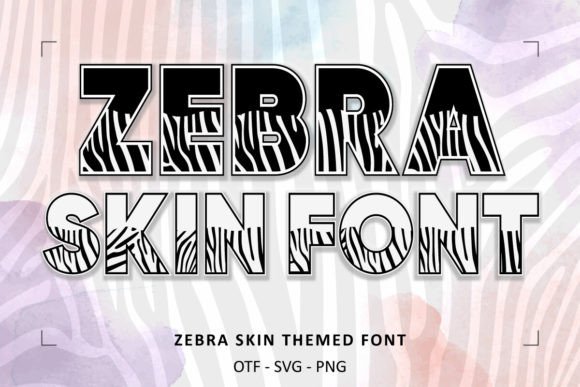
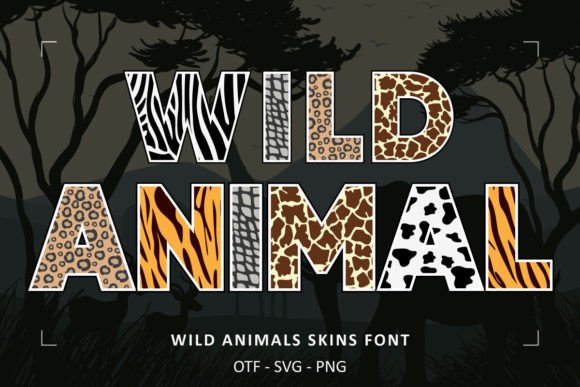
At its core, Wild Animals Skins is a display typeface. This means it’s crafted for impact and personality at larger sizes, rather than for setting long blocks of body text. Its design draws from organic, animal-inspired patterns. You might notice letterforms that subtly mimic the spots of a leopard, the stripes of a zebra, or the rough texture of reptile scales. This isn’t a literal translation, but rather an artistic interpretation that gives the font its unique voice.
The style leans towards a handwritten or illustrated aesthetic, which helps it avoid feeling sterile. It has a casual, approachable quality that feels human-made. This personality makes it a strong candidate for projects where you want to evoke a specific mood—think safari adventure, rustic wildlife themes, or even a whimsical, storybook feel. The overall appeal lies in its ability to inject character without overwhelming a design. It’s a creative font that serves as a focal point, inviting the viewer into the theme of your work.
Where This Typeface Shines: Practical Applications
The true test of any premium font is how it performs in real-world scenarios. Wild Animals Skins finds its strength in applications where theme and personality are paramount. Its design makes it particularly well-suited for a range of projects.
In editorial design and publishing, it can create captivating chapter titles or cover lettering for children’s books, nature magazines, or travel journals. For packaging design, imagine it on labels for organic products, artisanal goods, or specialty foods with a rustic or adventurous brand story. It can instantly communicate the product’s ethos before a single word of copy is read.
Digital spaces also benefit from its charm. For blog headers related to travel, wildlife photography, or outdoor hobbies, the font sets an immediate tone. It can make social media graphics stand out in a crowded feed, especially for posts promoting safari tours, zoo events, or nature conservation campaigns. The font’s playful nature also translates well to greeting cards, stickers, and merchandise like t-shirts or tote bags, where a casual, fun touch is desired.
Making It Work: Guidance for Designers and Creators
Choosing a font is only the first step. Using it effectively requires some thoughtful consideration. Here’s practical guidance for integrating Wild Animals Skins into your workflow.
Evaluate the Project Fit. Before selecting this typeface, ask yourself if the project’s tone aligns with its personality. A corporate financial report would be a poor match, but a children’s birthday party invitation would be an excellent one. The font carries a strong brand identity of its own, so ensure it complements, rather than clashes with, the message you need to convey.
Master Font Pairing. A display font like this rarely works alone. For readability in body text, pair it with a clean, neutral sans serif font or a simple serif font. This creates a clear visual hierarchy: Wild Animals Skins for headlines and key phrases to grab attention, and the paired font for paragraphs and detailed information. For example, pairing it with a geometric sans serif can create a modern contrast, while pairing it with a humanist serif can soften the overall look.
Consider Readability and Hierarchy. Because of its decorative nature, use this font at sizes where its details are clear. It may lose legibility at very small sizes or in long sentences. Use it strategically for short bursts of text—headlines, logos, subheadings, or callouts—to maximize its impact without sacrificing clarity.
Review Included Styles and Licensing. A comprehensive font package might include multiple weights or stylistic alternates. Check what’s included to see if there are variations that offer more flexibility. Crucially, if your project is commercial—whether it’s a client logo, a product you’re selling, or a monetized blog—ensure you have the correct commercial license. This protects you legally and supports the creators who designed the design asset.
Ultimately, Wild Animals Skins is more than just a collection of letters. It’s a tool for storytelling. Used with intention, it can transform a simple design into an engaging narrative, making it a valuable addition to any designer’s or creator’s toolkit for projects that aim to connect with the spirit of the wild.